Bunk Beds
The best low bunk beds
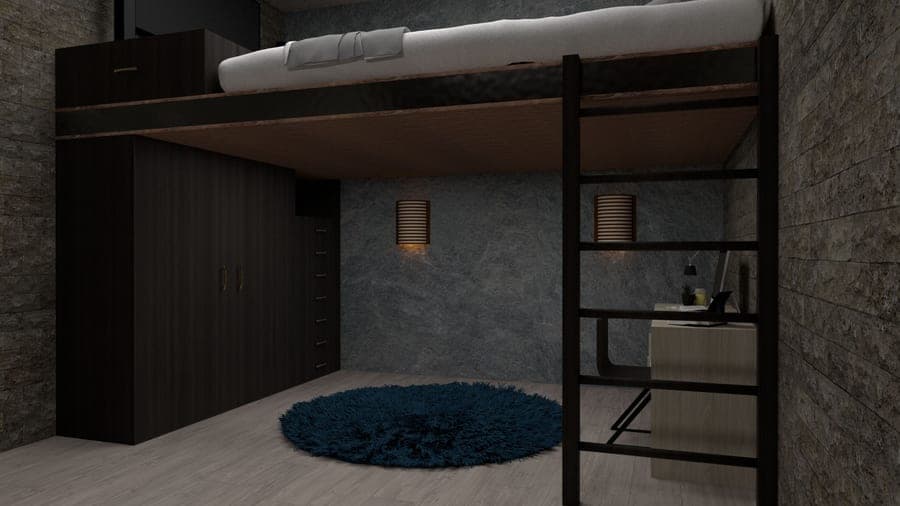
A low bunk puts the top deck around forty inches up instead of sixty. That changes the consequence of a fall — it does not change who should be sleeping up there.
We earn a commission from qualifying purchases made through links on this page, at no extra cost to you. How this site is funded.
Quick picks
The short version. Tap any row for the full write-up and its spec block.
| # | Product | Best for | Score | Price |
|---|---|---|---|---|
| 1 | 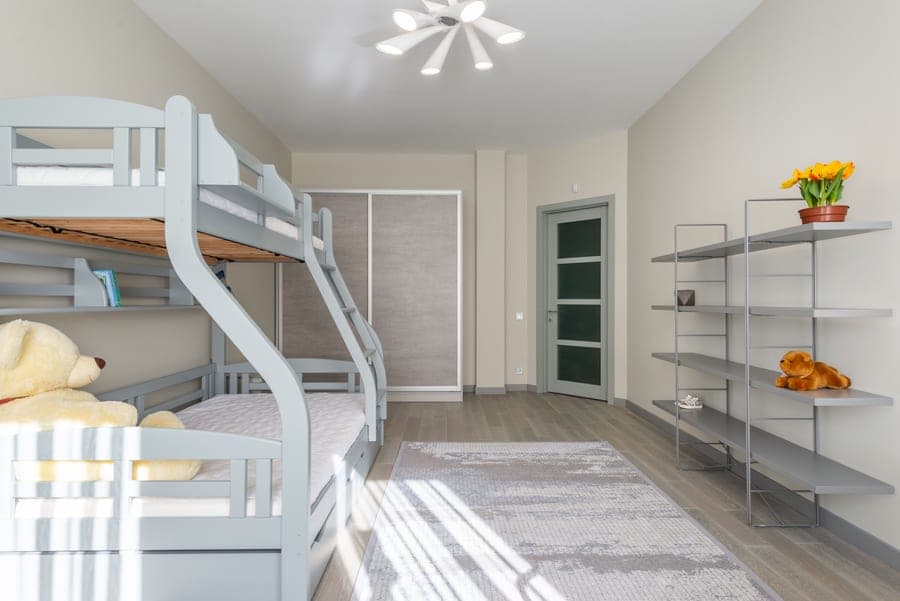 Max & Lily Twin Over Twin Low Bunk Bed The clearest published safety numbers of any bunk we looked at, on a frame low enough that a fall is a short one. | Younger siblings sharing a room | 8.8 | |
| 2 | 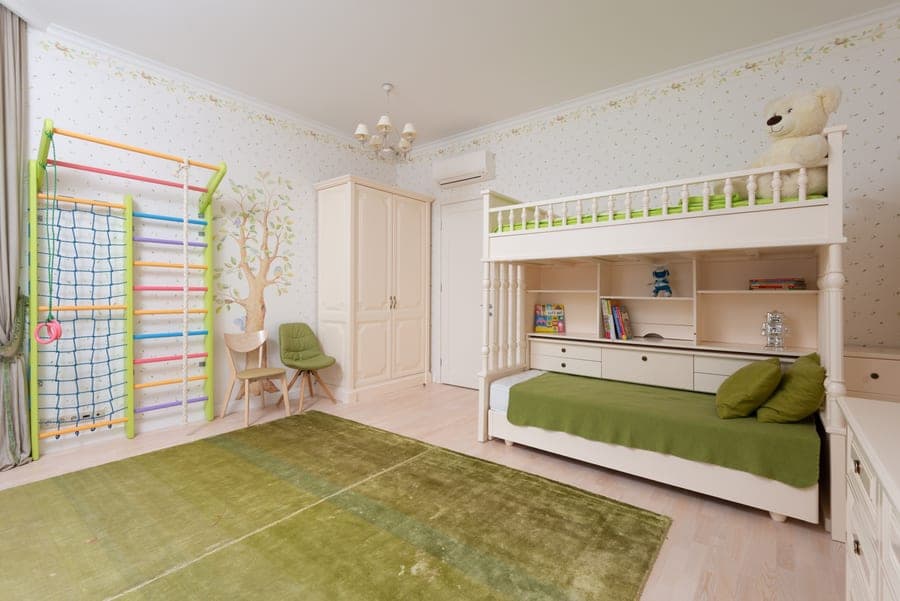 Max & Lily Twin Over Twin Low Bunk Bed with Stairs Stairs instead of a ladder on a low frame — the combination that makes a bunk workable for a child who is not a confident climber. | Younger children, and anyone who climbs up at 2 a.m. | 8.2 | |
| 3 |  DHP Miles Low Metal Bunk Bed, Twin Over Twin Publishes its guardrail height and both weight limits, which is more than most metal frames manage, and the bottom bunk sits on the floor. | Small rooms on a budget | 8.0 |
How we chose
We are a small publisher, not a testing lab. We don’t buy, assemble or sleep in the beds we write about, and we won’t pretend otherwise. What we do instead is read the published specifications and check them against the rules that actually govern children’s beds in the United States: the federal standard for children’s bunk beds (16 CFR Part 1513), the ASTM F1427 requirements it incorporates, and the American Academy of Pediatrics’ guidance on upper-bunk age. Where a manufacturer publishes no number, we write “not published by the manufacturer” rather than guess — that absence is itself worth knowing. We read owner feedback at volume for the things specs can’t tell you, and we label it as signal, not proof.
We earn a commission when you buy through our links. It never changes an ordering. Our full editorial policy.
A low bunk is a bunk bed with the top deck dropped from roughly sixty inches to roughly forty. Everything else is the same: same standard, same guardrail requirement, same mattress arithmetic. What changes is the distance to the floor and whether an adult can reach the sleeper without climbing.
What a low bunk does not change
The AAP’s guidance that children under six should not sleep on the top bunk is about coordination — climbing safely, and staying put while asleep — not about fall height. A low bunk reduces the consequence if something goes wrong. It does not make a four-year-old ready. We would still put a child under six on the bottom.
What a low bunk is genuinely good for
Low ceilings. A standard bunk in a room with an eight-foot ceiling leaves the top sleeper with very little headroom once a mattress is in. A low bunk removes that problem entirely.
Reaching your child. This is the one parents mention most and rarely think of beforehand. At forty inches you can sit on the bottom bunk and reach the top one — for a sick child at three in the morning, that is the whole difference.
Making the bed. A top bunk at sixty inches is made by climbing onto it. At forty it can be made standing beside it, which also means a child can plausibly do it themselves.
Rooms that are not permanently bedrooms. A low bunk reads as furniture rather than as an installation, which matters in a guest room or a shared space.
The trade you are making
Space underneath. A standard bunk leaves enough clearance under the bottom bunk for drawers or bins; a low bunk usually does not, and some sit almost on the floor. If your storage plan was under-bed storage, measure the clearance before you commit — our note in the storage guide covers what fits under what.
The other trade is headroom on the bottom bunk. Dropping the top deck lowers the ceiling over the lower sleeper, and an older child sitting up on the bottom bunk of a low bunk bed will find out.
| Standard bunk | Low bunk | |
|---|---|---|
| Top deck height | ~55-65 in | ~38-45 in |
| Reach the top sleeper from the floor | No | Usually yes |
| Under-bed storage clearance | Often good | Often none |
| Headroom on the bottom bunk | Comfortable | Tight for older children |
| Works under an 8 ft ceiling | Marginal | Yes |
Why the specs tend to be better here
A pattern worth naming: low bunks in our registry publish more numbers than standard ones from the same brands. Max & Lily publish a 14-inch guardrail and an 8-inch mattress ceiling on their low bunk and publish neither on the full-height version. DHP publish a 12.5-inch rail on the Miles low bunk.
We do not know why, and we are not going to speculate about a manufacturer’s reasoning. But it means the low-bunk buyer currently gets better information than the standard-bunk buyer does, and that is worth a point or two in a ranking built on transparency.
The picks, in full
Every pick below carries the same spec block, so you can compare the numbers across this page and every other page on the site.
#1 · Younger siblings sharing a room
Max & Lily Twin Over Twin Low Bunk Bed
Max & Lily
The clearest published safety numbers of any bunk we looked at, on a frame low enough that a fall is a short one.
| Guardrail height above mattress | 14 in above the deck |
|---|---|
| Stated weight limit (per bunk) | 400 lb per sleeping surface |
| Manufacturer minimum age | Not published by the manufacturer |
| Mattress thickness ceiling | 8 in maximum (5 in recommended) |
| Materials / construction | Solid New Zealand pine, GREENGUARD Gold certified finish |
What works
- Publishes a guardrail height, a weight limit and a mattress ceiling — most brands publish one of the three
- 400 lb per surface is the highest stated capacity in this roundup, and it holds through the teen years
- Low overall height means the top deck sits well under a standard bunk
- Reversible, removable ladder with grooved treads and rounded edges
What doesn’t
- The 8 in mattress ceiling rules out most plush mattresses
- Solid pine is heavy to move once assembled
- No minimum age published, so the AAP's under-6 guidance is the only age rule you get
The catch: That 8 in ceiling is not a suggestion. Put a 10 in mattress on the top deck and the 14 in rail drops to 4 in of clearance, which is below the federal 5 in minimum. The bed stops being compliant and nobody tells you.
#2 · Younger children, and anyone who climbs up at 2 a.m.
Max & Lily Twin Over Twin Low Bunk Bed with Stairs
Max & Lily
Stairs instead of a ladder on a low frame — the combination that makes a bunk workable for a child who is not a confident climber.
| Guardrail height above mattress | Not published by the manufacturer |
|---|---|
| Stated weight limit (per bunk) | 400 lb per sleeping surface |
| Manufacturer minimum age | Not published by the manufacturer |
| Mattress thickness ceiling | Not published by the manufacturer |
| Materials / construction | Solid New Zealand pine, GREENGUARD Gold certified finish |
What works
- Stairs are dramatically easier to climb half-asleep than a vertical ladder
- Low frame keeps the top deck within reach for tucking in
- Solid pine with the same 400 lb per-surface rating as the rest of the line
- Steps double as a place to sit while getting dressed
What doesn’t
- Stairs claim floor space a ladder does not
- Costs more than the ladder version of the same bed
- Guardrail height is not published
The catch: Stairs eat about a foot and a half of the room along one end. If you are buying a bunk because the room is small, the staircase version can cancel out the space you were trying to save.
#3 · Small rooms on a budget
DHP Miles Low Metal Bunk Bed, Twin Over Twin
DHP
Publishes its guardrail height and both weight limits, which is more than most metal frames manage, and the bottom bunk sits on the floor.
| Guardrail height above mattress | 12.5 in above the deck |
|---|---|
| Stated weight limit (per bunk) | 200 lb top bunk / 250 lb bottom bunk |
| Manufacturer minimum age | Not published by the manufacturer |
| Mattress thickness ceiling | 6 in (the frame is specified for 6 in mattresses) |
| Materials / construction | Powder-coated metal frame with metal slats, no box spring required |
What works
- Publishes a guardrail height and separate top and bottom weight limits
- Metal slats support the mattress without a box spring
- Low profile with the bottom bunk close to the floor
- One of the least expensive bunks that still publishes real numbers
What doesn’t
- 200 lb top-bunk limit is half what the solid-wood options state
- Metal frames are more prone to creaking than pine as fasteners loosen
- The 6 in mattress specification is tight for an older child
The catch: The 200 lb top-bunk limit is the one to watch. It is fine for a child and it is not fine for a parent who climbs up to read at bedtime, which is a thing parents do without thinking about the sticker.
Questions parents actually ask
What is a low bunk bed?
A bunk bed with the top deck at roughly 38 to 45 inches rather than the usual 55 to 65. Same standard, same guardrail requirement, shorter fall.
Are low bunk beds safe for toddlers?
The bottom bunk is fine. For the top, the AAP’s under-six guidance still applies — it is about coordination, and a lower deck does not change that.
Can you put storage under a low bunk bed?
Often not much. Measure the clearance at the lowest point under the bottom bunk, not at the edge, before buying under-bed drawers.
Do low bunk beds still need guardrails?
Yes — the federal requirement applies to the upper bunk regardless of its height, and the five-inch rule above the mattress is unchanged.
What ceiling height do you need for a low bunk bed?
An eight-foot ceiling is comfortable. The constraint on a low bunk is usually headroom on the bottom bunk rather than at the ceiling.
Sources
Read next
- Top-bunk age readiness
Why a lower deck doesn't change the age answer.
- Best bunk beds for kids
The full ranking, standard heights included.
- Best toddler beds
If a bunk is still a year or two away.
Back to Bunk Beds.