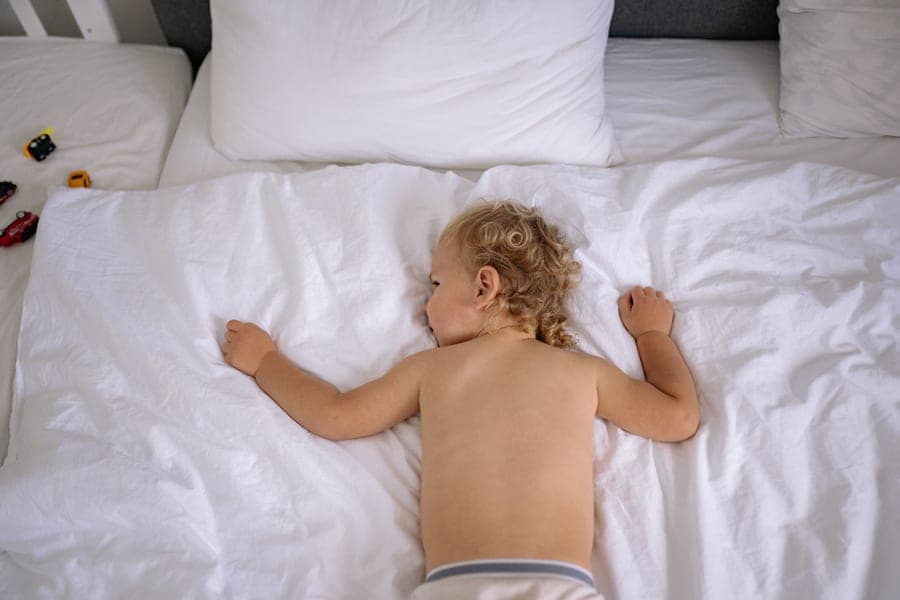
Best Toddler Beds
The best toddler beds
Toddler beds ranked on published weight limits, rail coverage and honest lifespan.
Top pick: Dream On Me Emma 3-in-1 Convertible Toddler Bed
The move out of the crib is a safety decision before it is a furniture decision. Here is what triggers it, what a toddler bed is genuinely for, and when to skip straight to a twin.
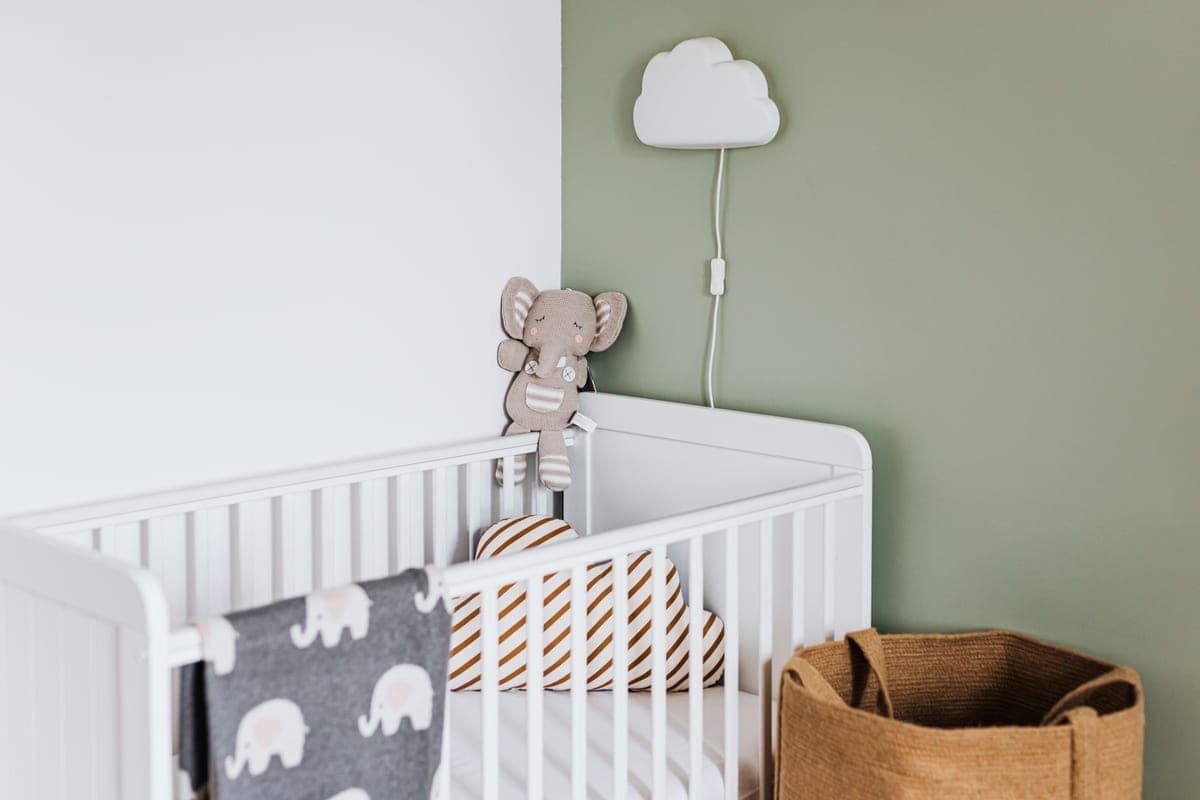
We earn a commission from qualifying purchases made through links on this page, at no extra cost to you. How this site is funded.
Most parents move a child out of the crib because the child climbed out of it. That is the right trigger and it is worth saying plainly: a child who can climb the crib rail is at more risk inside the crib than in a bed six inches off the floor. Once climbing starts, the crib has stopped being the safer option, whatever age the child is.
What a toddler bed buys you is a smaller, lower, less intimidating object than a twin, and — usually — the ability to keep using the crib mattress you already own. What it costs you is longevity. Most toddler beds take a crib mattress, and a crib mattress is 52 by 28 inches. Children outgrow that footprint somewhere between four and five, which means the bed is a two-to-three-year purchase in most households.
How the category divides. Four routes, and they are genuinely different decisions rather than variations on one. Convertible cribs drop a side and become a toddler bed for free, which is the cheapest path if you already own one. Standalone toddler beds are low frames with integrated side rails, often cheap and often charming. Floor beds — the Montessori approach — put the mattress on or just above the floor with no rails at all, and make the fall distance essentially zero. And skipping straight to a twin with a removable guardrail means buying one bed instead of two, at the cost of a much bigger object in the room from day one. We compare the two most contested of these on floor bed vs toddler bed and toddler bed vs crib conversion.
Best Toddler Beds
Toddler beds ranked on published weight limits, rail coverage and honest lifespan.
Top pick: Dream On Me Emma 3-in-1 Convertible Toddler Bed

Best Toddler Bed Rails
Rails compared on published height, mattress compatibility and how they anchor.
Top pick: Regalo Swing Down Bed Rail
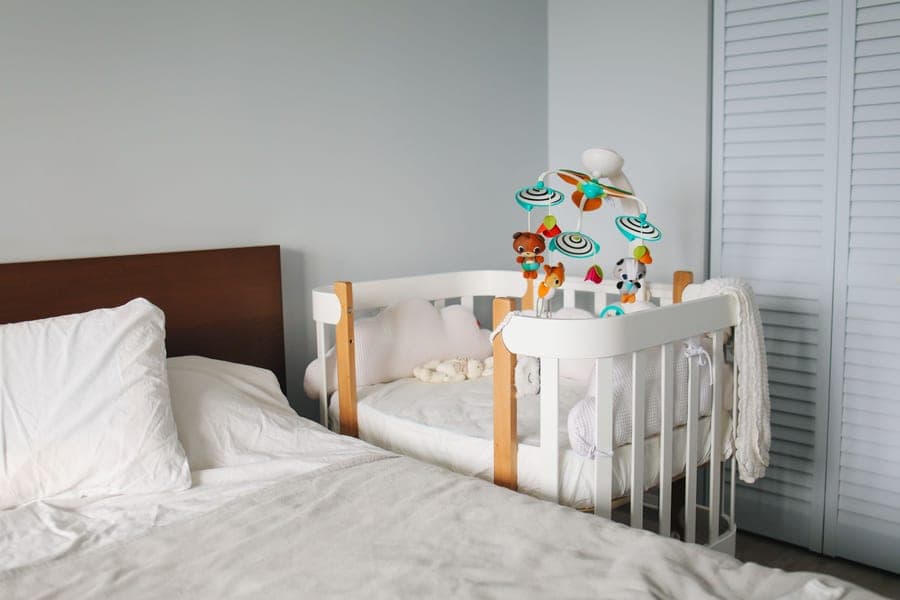
Best Toddler Mattress
Firmness, a washable waterproof cover and real certification — what actually matters.
Top pick: Graco Premium Foam Crib & Toddler Mattress
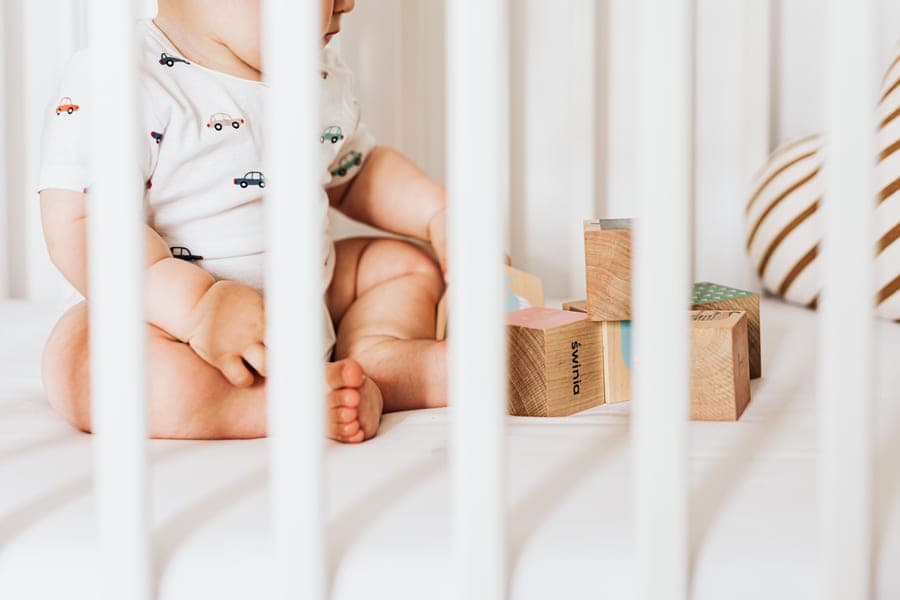
Compare
Conversion is free and familiar. Here is the case where a standalone bed still wins.

Compare
A floor bed removes the fall and removes the boundary. An honest look at both halves.
Guide
The climbing signal decides it. What to watch for, and how to make the move go better.
Guide
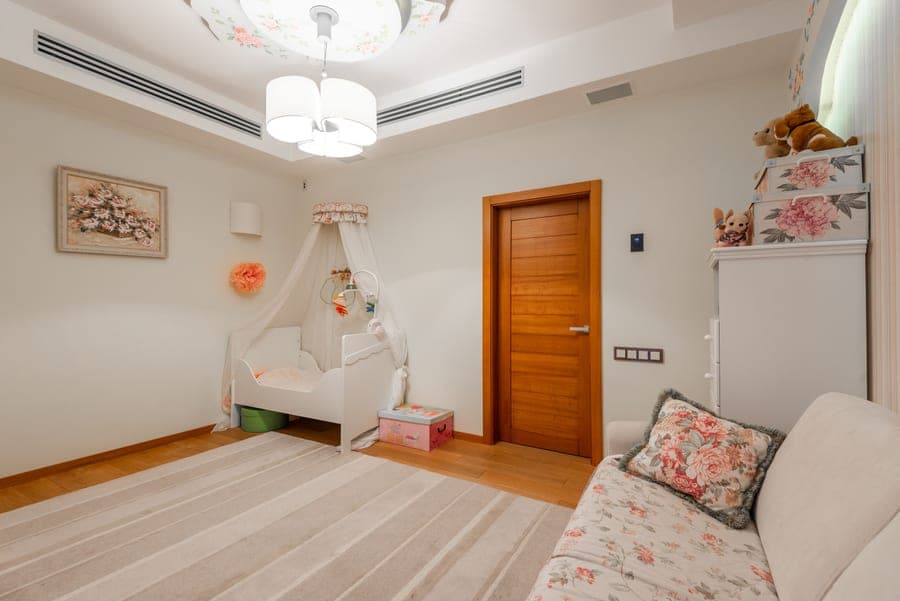
Crib mattress and toddler bed footprints, against a twin — and what that means for lifespan.
Guide
The three phases most transitions go through, and what actually shortens each one.
What decides price. Very little, honestly, which is unusual in this site’s categories. A plain wooden toddler bed and a fancy themed one cost about the same to make; what you pay for is the licensing and the finish. The one specification worth paying for is a published weight limit — the beds that state one tend to be the beds built to a spec rather than to a price — and certification (GREENGUARD Gold, OEKO-TEX) if off-gassing in a small closed bedroom concerns you.
The mistake buyers make is buying a toddler bed for a child who is nearly ready for a twin. If your three-and-a-half-year-old is tall for their age, you will get eighteen months out of a crib-mattress bed and then buy a second bed anyway. The sizes guide has the actual footprints so you can work out how long the bed lasts for your particular child rather than for an average one.
And the thing nobody warns you about: the transition often goes badly for a week or two regardless of which bed you buy, because the problem is not the furniture. The troubleshooting guide covers the sleeping-on-the-floor phase, the two-a.m.-visits phase and the door-opening phase, which between them account for most of what actually happens.