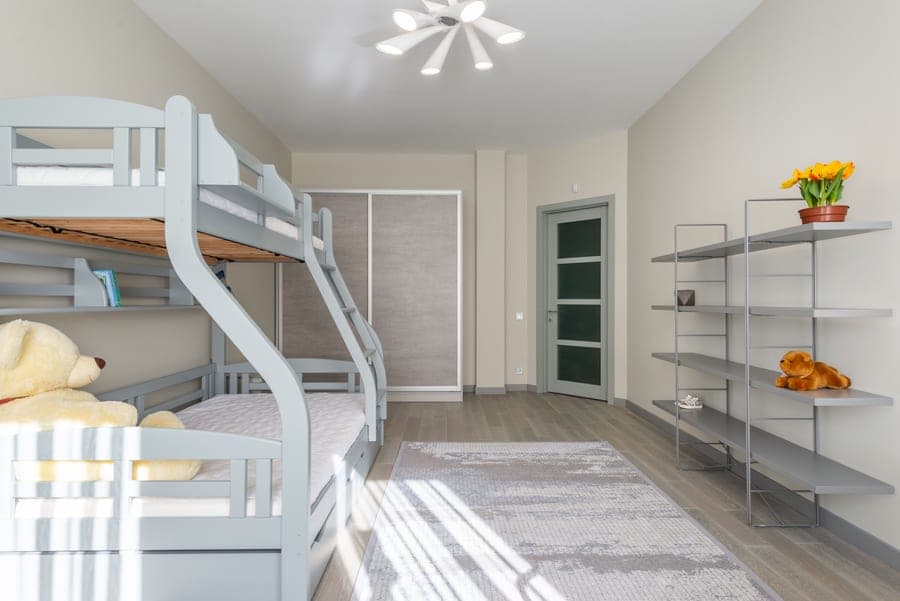
Best Bunk Beds
The best bunk beds for kids
Eight bunks ranked on published guardrail height, weight limit and mattress ceiling.
Top pick: Max & Lily Twin Over Twin Low Bunk Bed
Every bunk we cover gets the same four numbers published up front — guardrail height, weight limit, minimum age and mattress ceiling — because those are the numbers that decide whether the bed is safe for your child.
We earn a commission from qualifying purchases made through links on this page, at no extra cost to you. How this site is funded.
A bunk bed is the only piece of furniture in a child’s room that is regulated by a federal safety standard, and it is also the one parents most often buy on looks and price. Those two facts are the reason this section exists.
The rules are not complicated. A children’s bunk bed sold in the United States falls under 16 CFR Part 1513, which requires at least two guardrails on the upper bunk with at least one on each side, and requires the tops of those guardrails to sit no less than five inches above the top of the mattress. The rail on the wall side has to run continuously from one end of the bed to the other. That is the whole construction rule in two sentences, and almost every bunk on the market is built to meet it.
What varies enormously is whether the manufacturer tells you the numbers. Some brands publish a guardrail height, a weight limit per bunk and a mattress-thickness ceiling right on the listing. Others publish none of the three, and you find out what you bought when the box arrives. Our spec block records whichever of those numbers exists and writes “not published by the manufacturer” where one does not — because that silence is itself information about how a brand treats the safety question.
How the category divides. The first split is height: a standard bunk puts the top deck around 55 to 65 inches off the floor, and a low bunk brings it down closer to 40, which shortens the fall and lets you reach the child to tuck them in. The second split is access: a ladder is cheap and takes no floor space, while stairs are far easier to climb half asleep and consume around eighteen inches along one end of the bed. The third is configuration: twin over twin is the default, twin over full gives the bottom sleeper an adult-sized bed, and a trundle adds a third mattress that rolls away.
Best Bunk Beds
Eight bunks ranked on published guardrail height, weight limit and mattress ceiling.
Top pick: Max & Lily Twin Over Twin Low Bunk Bed
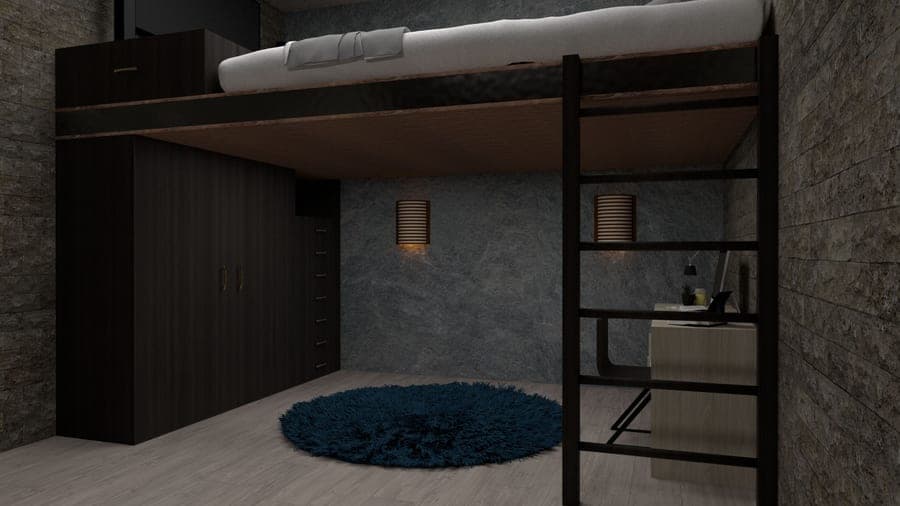
Best Low Bunks
Low bunks with published guardrail heights — shorter falls, reachable top decks.
Top pick: Max & Lily Twin Over Twin Low Bunk Bed
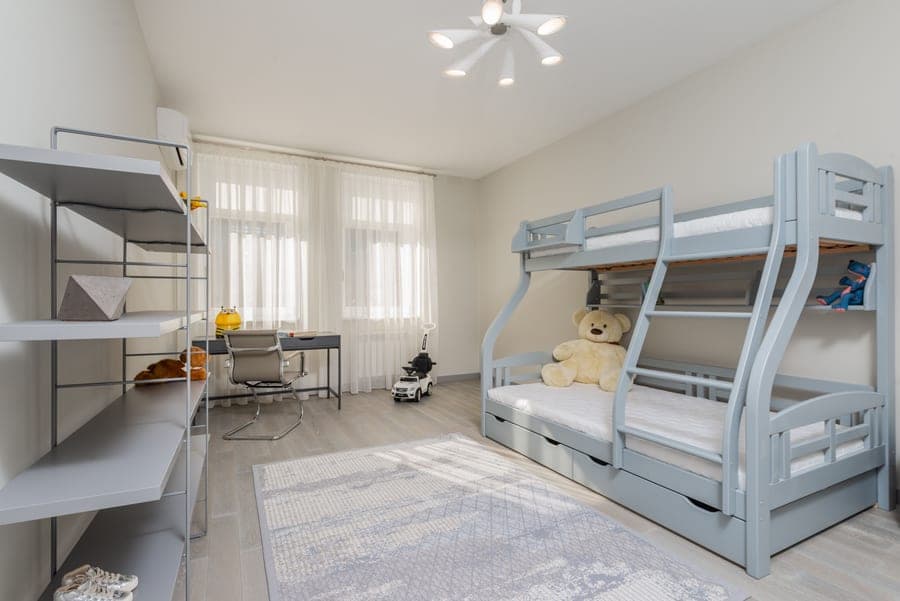
Best for Small Rooms
Bunks that actually save floor space, with footprints measured and the configurations that backfire.
Top pick: DHP Miles Low Metal Bunk Bed, Twin Over Twin
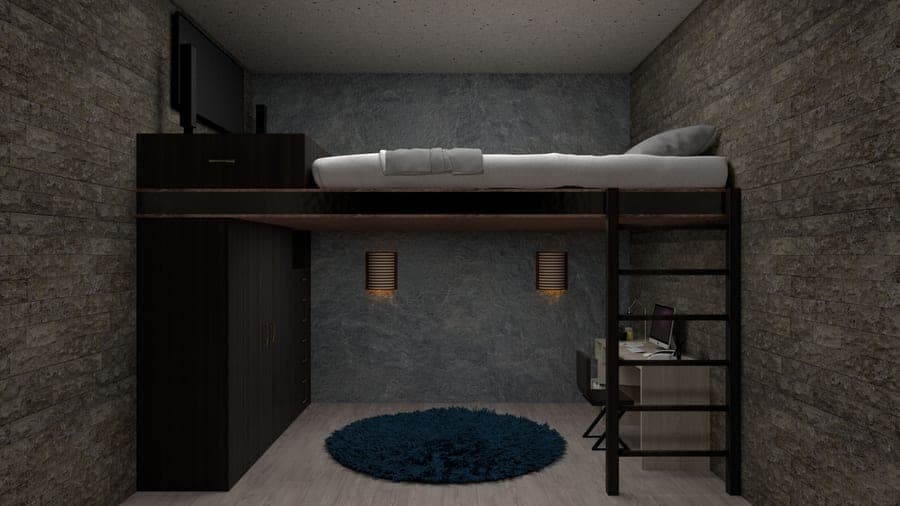
Compare
One sleeps two, one frees the floor. The number of children in the room decides it.

Compare
Same standard, different ageing. What separates them is maintenance, mattress range and price.
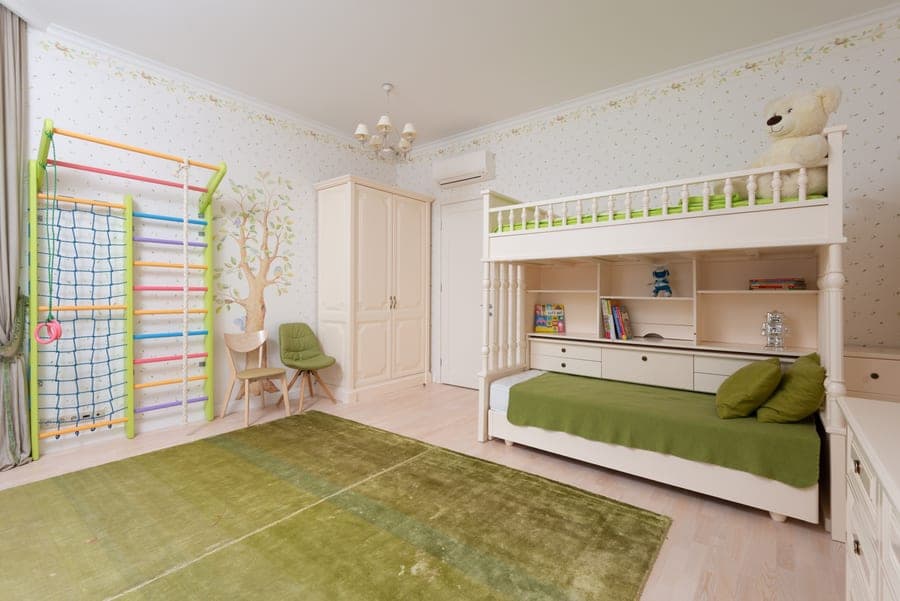
Compare
Stairs are easier at 2 a.m. and cost 15-18 inches of floor. Plus the cheaper middle option.
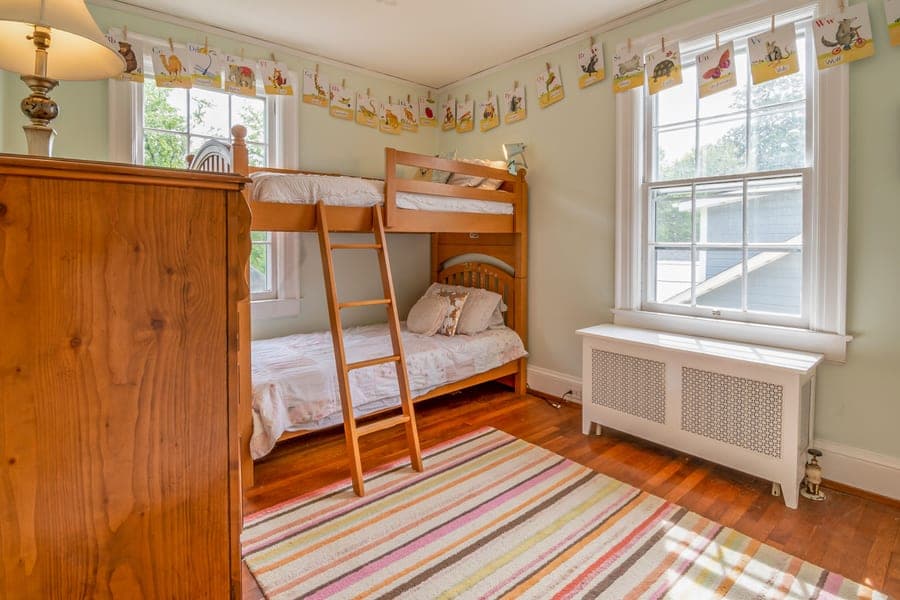
Guide
Published limits run 200-400 lb per surface. What the number covers, and who it quietly excludes.

Guide
Mattress sizes, frame footprints, ceiling clearances and thickness ceilings in one chart.
Guide
Why bunks wobble, the assembly order that prevents it, and the twice-a-year check.
What decides price. Almost entirely the frame material and the joinery. Solid pine frames with metal-on-metal bolt connections sit at the top and hold their shape for years; metal tube frames come in well under half the price and are perfectly compliant, but they develop movement as fasteners settle and need re-tightening. Engineered-wood frames sit in between and are the least forgiving of repeated disassembly, so they are a poor choice if you move often. Extras — drawers, staircases, slides, trundles — each add meaningfully to the price, and a staircase in particular can add as much as a plain bunk costs on its own.
The mistake buyers make is choosing the mattress after the bed. The guardrail rule is measured above the mattress, so a thicker mattress eats the rail. Put a ten-inch mattress on a bunk designed around a six-inch one and you can drop below the five-inch federal minimum without anything looking wrong. Work out the thickness ceiling first, then shop for a mattress that fits under it.
Where to start. If your child is under six, start with top-bunk age readiness — the American Academy of Pediatrics is explicit that children under six should not sleep on the top bunk, and a low bunk or a pair of separate beds is the honest answer until then. If the room is the constraint, go to bunks for small rooms. If you are still deciding between a bunk and a loft, the comparison settles it in about two minutes.