Desks & Storage
Kids desk dimensions
A desk is two measurements, not one: the desk, and the three feet behind it the chair needs. Most desks that do not fit a bedroom fit the wall perfectly.

We earn a commission from qualifying purchases made through links on this page, at no extra cost to you. How this site is funded.
The short answer
For a primary-school child, a desk around 36 to 40 inches wide and 20 to 24 inches deep is enough for homework and a tablet; a child who needs a laptop and an open book at the same time wants 48 inches of width. Height should put the desk surface at roughly the child’s seated elbow height. Then allow 30 to 36 inches of clear floor behind the desk for the chair — that is the measurement that decides whether a desk fits the room.
Width: what fits on the surface
Desk width is about what has to be on it at once, and that changes sharply at about age ten. A six- or seven-year-old doing handwriting practice and reading needs space for a book and two elbows, and a 36-inch desk is genuinely sufficient. Once there is a laptop, a notebook open beside it and a water bottle, 36 inches becomes a surface where something is always being moved to make room for something else.
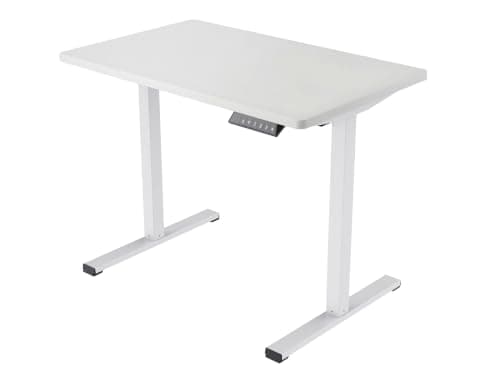
48 inches is the width that stops the problem. The FLEXISPOT adjustable kids desk publishes a 48 by 24 inch desktop, which fits a laptop and an open book side by side — and it publishes a 154 lb desktop capacity and a stated age range of 3 to 10 for that model, which is unusual. Desks as a category publish almost nothing, so a brand that states a capacity and an age range has told you something real.
| Use | Width | Depth | Notes |
|---|---|---|---|
| Handwriting, reading, coloring | 30-36 in | 18-20 in | A small desk is fine and leaves floor to play on |
| Homework with a tablet | 36-40 in | 20-24 in | The common primary-school size |
| Laptop plus an open book | 48 in | 24 in | The size that stops things being shuffled |
| Two monitors or a gaming setup | 55 in and up | 24-30 in | Teen territory; check the depth against the wall |
Depth: 24 inches is the working number
Twenty-four inches of depth puts a laptop screen at a reasonable viewing distance and leaves room in front of the keyboard for forearms. Below about 18 inches a desk becomes a shelf — fine for a tablet, awkward for anything with a screen that needs to be pushed back. Above 30 inches you are buying floor area a bedroom cannot usually spare, and the back of the desk becomes a place things go to be forgotten.
Depth is also where a hutch changes the maths. A desk with a hutch puts storage above the surface rather than behind it, which is why it fits a narrow wall better than a desk plus a separate bookcase. The cost is that the usable depth shrinks by whatever the hutch’s own shelves occupy, and the setup feels enclosed to a small child. Our hutch vs open desk page has that trade in full.
Height, and the chair it depends on
Desk height on its own means nothing. What matters is the relationship between the seat height, the desk surface and the child’s elbow: feet flat on the floor or on a footrest, knees at roughly a right angle, forearms level with the desk surface. A fixed-height desk gets that right for one or two years of a child’s growth and approximately right for a couple more.
This is the strongest argument for an adjustable desk, and it is also why a footrest matters more than people think — an adjustable chair with no footrest leaves a child’s legs dangling, which is where the fidgeting comes from. The full set of measurements, by height rather than by age, is on our desk height guide.
Measure the chair clearance, not the desk
A desk needs 30 to 36 inches of clear floor behind it for the chair to pull out and for the child to get in and out. Add that to the desk depth: a 24-inch desk with a chair is a 54 to 60 inch footprint off the wall. This is the number that makes a desk not fit, and it is almost never in the listing.
Where the desk goes
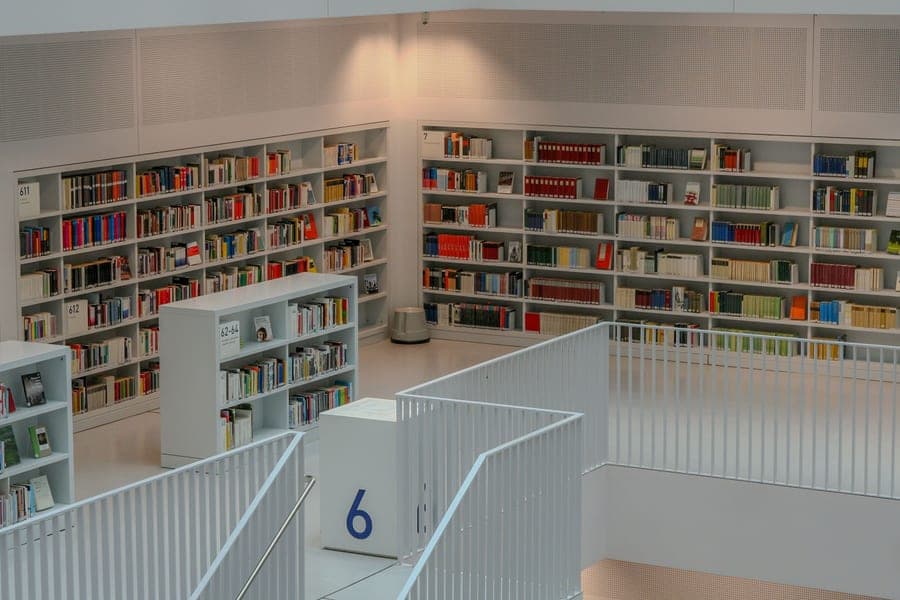
Three positions work in a child’s bedroom and they have different dimensional demands. Against a wall is the default and needs the desk depth plus the chair clearance. Under a window gives better light and limits you to a desk lower than the sill, which in many houses is around 30 inches — measure before you shop. Under a loft bed is the most space-efficient option in the house and is constrained by the published clearance under the deck rather than by the room; our what fits under a loft bed page has the measured figures.
One constraint that applies wherever it goes: tall furniture has to be anchored to the wall. A desk with a hutch is tall, usually top-heavy once the shelves are full, and typically ships with an anti-tip bracket for exactly that reason. Use it. The same rule covers bookcases and any storage unit a child might climb — see anchoring furniture in a child’s room.
What we would buy at each size
For a young child in a small room, a plain 36- to 40-inch solid wood desk with a drawer is the right purchase: correct height out of the box, nothing mechanical to fail, cheap enough to replace when outgrown. For a desk that has to last from six to sixteen, an adjustable 48 by 24 inch desktop is the one that does not get replaced — and it is the only desk in our registry that publishes its capacity and its age range. For a narrow wall in a room that also has to hold books, the hutch is the answer, with the bracket fitted.
For the picks that fit those numbers in a tight room, see the best kids desks for small spaces.
Key takeaways
- 36-40 in wide by 20-24 in deep covers primary-school homework. 48 in fits a laptop and an open book.
- 24 in of depth is the working number — under 18 in is a shelf, over 30 in wastes floor.
- Height is set by the child's seated elbow, not by their age. A footrest matters as much as the desk.
- Allow 30-36 in of clear floor behind the desk for the chair. This is what makes a desk not fit.
- Under a window, the desk has to clear the sill — often around 30 in. Measure before shopping.
What we'd buy
Every pick below carries the same spec block, so you can compare the numbers across this page and every other page on the site.
Primary-school homework
Solid Wood Kids Desk with Drawer
Various (search by size)
A plain wooden desk at a child's height, which is all a seven-year-old doing homework actually needs.
| Guardrail height above mattress | Not applicable |
|---|---|
| Stated weight limit (per bunk) | Not published by the manufacturer |
| Manufacturer minimum age | Not published by the manufacturer |
| Mattress thickness ceiling | Not applicable |
| Materials / construction | Solid or engineered wood with a drawer |
What works
- Correct height for a young child out of the box
- Nothing electrical or mechanical to fail
- A drawer keeps the surface clear
- Inexpensive enough to replace when outgrown
What doesn’t
- Fixed height, so it is outgrown in a few years
- Weight limits are rarely published in this category
- Small surface once a laptop is on it
The catch: A fixed-height desk is a three-to-four-year purchase. That is fine if you buy it knowing that, and frustrating if you bought it expecting it to last through secondary school.
A desk that lasts from 6 to 16
FLEXISPOT Electric Height Adjustable Kids Desk
FLEXISPOT
The only desk here that grows with the child instead of being replaced — and it publishes its age range and capacity.
| Guardrail height above mattress | Not applicable |
|---|---|
| Stated weight limit (per bunk) | 154 lb desktop capacity |
| Manufacturer minimum age | Manufacturer states ages 3-10 for this model |
| Mattress thickness ceiling | Not applicable |
| Materials / construction | Steel frame with 48 x 24 in laminate desktop, electric motor |
What works
- Publishes a capacity and an age range, which desks almost never do
- Electric adjustment means the height is actually changed rather than meant to be
- 48 x 24 in surface fits a laptop and an open book at once
- Sit-stand range covers a growth spurt without a new desk
What doesn’t
- Several times the price of a fixed kids' desk
- Needs a power outlet within reach
- Heavy — moving it is a two-person job
The catch: An electric desk needs a socket, and children's rooms rarely have one where the desk should go. Work out the cable run before you buy, because an extension lead across a bedroom floor is its own problem.
A desk that is also the bookshelf
Kids Desk with Hutch and Shelving
Various (search by configuration)
Vertical storage above the work surface, for a room where the desk has to hold everything.
| Guardrail height above mattress | Not applicable |
|---|---|
| Stated weight limit (per bunk) | Not published by the manufacturer |
| Manufacturer minimum age | Not published by the manufacturer |
| Mattress thickness ceiling | Not applicable |
| Materials / construction | Engineered wood with laminate finish; wall anchor typically included |
What works
- Shelves above the desk replace a separate bookcase
- Keeps the working surface clear because there is somewhere for things to go
- Usually includes an anti-tip wall anchor
- Fits a narrow wall better than a desk plus a bookcase side by side
What doesn’t
- The hutch makes the desk feel enclosed for a small child
- Tall furniture must be anchored, without exception
- Rarely adjustable in height
The catch: Anything this tall in a child's room gets anchored to the wall, every time, no exceptions. Tip-over is one of the genuinely serious furniture risks in a bedroom and the anchor in the box is not optional.
Questions parents actually ask
What size desk does a child need?
For primary-school work, 36 to 40 inches wide and 20 to 24 inches deep. Move to 48 inches of width once a laptop and an open book have to share the surface. Depth rarely needs to exceed 24 inches in a bedroom.
How much space do you need behind a kids desk for the chair?
Thirty to thirty-six inches of clear floor. Added to the desk depth that makes a 24-inch desk a 54 to 60 inch footprint off the wall, which is the figure to compare against the room.
What height should a kids desk be?
Whatever puts the surface level with the child’s seated elbows, with feet flat on the floor or a footrest and knees at roughly a right angle. That is a measurement of the child, not a number you can read off an age. See our desk height guide.
Will a kids desk fit under a window?
Only if it clears the sill, which in many houses is around 30 inches from the floor. Measure the sill height before you shop — it rules out desks with hutches almost automatically, and it rules in the lower fixed-height desks.
Does a kids desk need to be anchored to the wall?
A plain desk, no. A desk with a hutch, yes — it is tall furniture and becomes top-heavy once the shelves are loaded. Most ship with an anti-tip bracket; fit it rather than leaving it in the box.
Sources
Read next
- Kids desk height guide
The seated-elbow measurement, by height rather than age.
- Best kids desks
The desks themselves, once you know the size you need.
- Desk with hutch vs open desk
Storage above the surface, and what it costs in depth.
- What fits under a loft bed
The most space-efficient place a desk can go.
Back to Desks & Storage.