Desks & Storage
The best kids desks for small spaces
In a small bedroom the desk is competing with the bed for floor. The number that decides it is depth, not width - and 18 inches is the line below which a desk stops being a place anyone can work.
We earn a commission from qualifying purchases made through links on this page, at no extra cost to you. How this site is funded.
Quick picks
The short version. Tap any row for the full write-up and its spec block.
| # | Product | Best for | Score | Price |
|---|---|---|---|---|
| 1 | 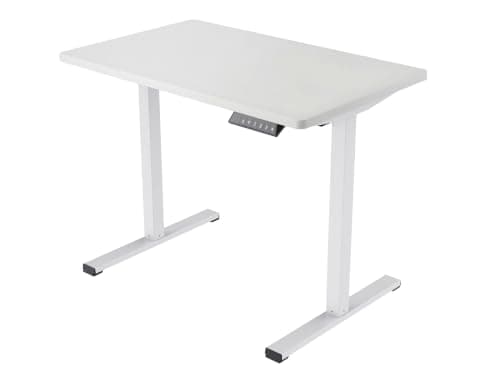 FLEXISPOT Electric Height Adjustable Kids Desk The only desk here that grows with the child instead of being replaced — and it publishes its age range and capacity. | A desk that lasts from 6 to 16 | 8.6 | |
| 2 |  Solid Wood Kids Desk with Drawer A plain wooden desk at a child's height, which is all a seven-year-old doing homework actually needs. | Primary-school homework | 7.0 | |
| 3 | 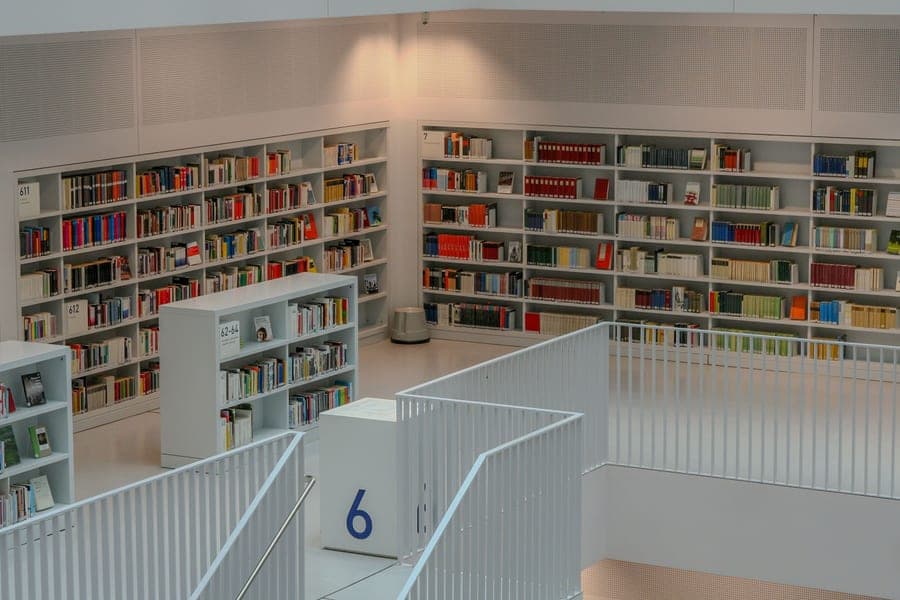 Kids Desk with Hutch and Shelving Vertical storage above the work surface, for a room where the desk has to hold everything. | A desk that is also the bookshelf | 8.0 | |
| 4 |  Adjustable Kids Desk Chair with Footrest The footrest is the whole point — it is what stops a child's legs dangling, and dangling legs are why they will not sit still. | Any child whose feet do not reach the floor | 8.0 |
How we chose
We are a small publisher, not a testing lab. We don’t buy, assemble or sleep in the beds we write about, and we won’t pretend otherwise. What we do instead is read the published specifications and check them against the rules that actually govern children’s beds in the United States: the federal standard for children’s bunk beds (16 CFR Part 1513), the ASTM F1427 requirements it incorporates, and the American Academy of Pediatrics’ guidance on upper-bunk age. Where a manufacturer publishes no number, we write “not published by the manufacturer” rather than guess — that absence is itself worth knowing. We read owner feedback at volume for the things specs can’t tell you, and we label it as signal, not proof.
We earn a commission when you buy through our links. It never changes an ordering. Our full editorial policy.
The short answer
For a small bedroom the desk worth the floor space is the FLEXISPOT Electric Height Adjustable Kids Desk. It is the only desk in our registry that publishes an age range and a desktop capacity, and because the height adjusts it is one desk rather than the two or three a growing child otherwise needs — which is the real small-room argument, since the second desk has nowhere to go.
If the budget rules that out, a plain solid-wood desk with a drawer at around 30 to 36 inches wide and 18 to 20 inches deep is all a primary-school child doing homework actually needs. Below 18 inches of depth, a desk stops working.
Depth is the spec, not width
A narrow desk is usable. A shallow one is not. An open book plus a notebook plus elbows needs roughly 18 to 20 inches from front edge to wall, and the compact desks sold for small rooms frequently come in at 14 or 16 — which is enough for a laptop and nothing else. Our desk dimensions guide has the table by activity, and the short version is that you can lose width far more safely than depth.
Width is where the small-room saving should come from. Thirty inches is enough for handwriting, reading and coloring. Thirty-six is comfortable. Forty-eight — the FLEXISPOT desktop — is generous and is the one figure here that a genuinely tight room may have to argue with.
| Constraint | What to buy | What to avoid |
|---|---|---|
| Narrow wall run | A 30-36 in wide desk, full depth | Cutting depth below 18 in |
| No spare floor at all | A desk under a loft bed, or a wall-mounted fold-down | A hutch desk - it needs its own footprint |
| Room has to last to secondary school | A height-adjustable desk | A fixed-height desk at age six |
| Desk must also be the bookshelf | A hutch model, anchored to the wall | Stacking shelving on an open desk |
| Shared room | Two narrow desks on one wall | One wide desk two children fight over |
The hutch question in a small room
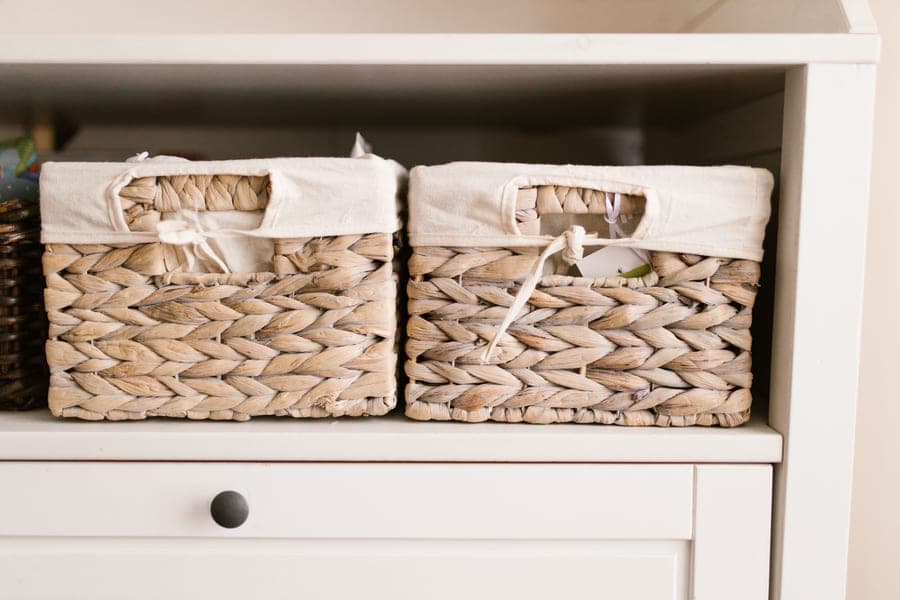
A desk with a hutch is genuinely the right answer when the desk has to be the bookshelf as well, and it is the wrong answer when the room is small for floor reasons rather than storage reasons. The hutch does not reduce the footprint — it adds height to the same footprint — so if what you are short of is floor, it buys you nothing you could not get from a shelf on the wall above a plain desk.
It also comes with a non-negotiable: anything that tall in a child’s room gets anchored to the wall, every time. Tip-over is one of the genuinely serious furniture risks in a bedroom and the anchor in the box is not an optional accessory. Our furniture anchoring guide covers how, and in a rental. Our hutch versus open desk comparison has the full trade.
The chair is part of the footprint
People measure the desk and forget the chair, and the chair needs roughly two feet of pull-out clearance behind it to be sat on. In a small room that is often the binding constraint rather than the desk itself — a 30-inch desk with no room to pull the chair out is a shelf.
The chair spec that matters for a child is a footrest, not wheels. A child whose feet do not reach the floor cannot sit still, and the footrest is what fixes it. Adjustability is only worth paying for if you actually re-adjust it, so put a note in the calendar at the start of each school year. Our wheels versus no wheels page covers the rest, and the chair roundup has the picks.
The cheapest small-room desk is the one you already own floor for
If the room has a loft bed, the space under the deck is the desk footprint and it costs nothing extra. Measure the chair back and the desk surface height together against the clearance first — on a low loft the sum often does not work, and a pull-out desk is the design answer. See best loft beds for small rooms.
Height is the spec that decides how long it lasts
A fixed-height desk is a three-to-four-year purchase. That is fine if you buy it knowing so, and frustrating if you expected it to last through secondary school — and in a small room the frustration is worse, because there is nowhere to put the replacement while you sell the first one.
The FLEXISPOT publishes a manufacturer age range of 3 to 10 and a 154 lb desktop capacity, which is unusual candor in this category and makes it the one desk here you can size against a specific child on paper. The practical catch is electrical: an adjustable desk needs a socket, and children’s rooms rarely have one where the desk should go. Work out the cable run before ordering, because an extension lead across a bedroom floor is its own problem.
Where storage should go instead
In a small room, keep the desk surface clear and put the storage somewhere that is not competing for the same floor. Under-bed drawers use dead space; a narrow bookshelf uses wall rather than floor; fabric cubes on existing shelving cost no footprint at all. Our storage guide goes through the options, and the homeschool setup page covers the case where the desk is in use all day.
Key takeaways
- Depth is the spec. Below 18 in a desk holds a laptop and nothing else.
- Save space on width, not depth. 30-36 in wide is enough for primary-school work.
- The chair needs about two feet of pull-out clearance - count it in the footprint.
- A hutch adds height to the same footprint. If you are short of floor, it buys nothing.
- Anything tall in a child's room gets anchored to the wall. The bracket is not optional.
The picks, in full
Every pick below carries the same spec block, so you can compare the numbers across this page and every other page on the site.
#1 · A desk that lasts from 6 to 16
FLEXISPOT Electric Height Adjustable Kids Desk
FLEXISPOT
The only desk here that grows with the child instead of being replaced — and it publishes its age range and capacity.
| Guardrail height above mattress | Not applicable |
|---|---|
| Stated weight limit (per bunk) | 154 lb desktop capacity |
| Manufacturer minimum age | Manufacturer states ages 3-10 for this model |
| Mattress thickness ceiling | Not applicable |
| Materials / construction | Steel frame with 48 x 24 in laminate desktop, electric motor |
What works
- Publishes a capacity and an age range, which desks almost never do
- Electric adjustment means the height is actually changed rather than meant to be
- 48 x 24 in surface fits a laptop and an open book at once
- Sit-stand range covers a growth spurt without a new desk
What doesn’t
- Several times the price of a fixed kids' desk
- Needs a power outlet within reach
- Heavy — moving it is a two-person job
The catch: An electric desk needs a socket, and children's rooms rarely have one where the desk should go. Work out the cable run before you buy, because an extension lead across a bedroom floor is its own problem.
#2 · Primary-school homework
Solid Wood Kids Desk with Drawer
Various (search by size)
A plain wooden desk at a child's height, which is all a seven-year-old doing homework actually needs.
| Guardrail height above mattress | Not applicable |
|---|---|
| Stated weight limit (per bunk) | Not published by the manufacturer |
| Manufacturer minimum age | Not published by the manufacturer |
| Mattress thickness ceiling | Not applicable |
| Materials / construction | Solid or engineered wood with a drawer |
What works
- Correct height for a young child out of the box
- Nothing electrical or mechanical to fail
- A drawer keeps the surface clear
- Inexpensive enough to replace when outgrown
What doesn’t
- Fixed height, so it is outgrown in a few years
- Weight limits are rarely published in this category
- Small surface once a laptop is on it
The catch: A fixed-height desk is a three-to-four-year purchase. That is fine if you buy it knowing that, and frustrating if you bought it expecting it to last through secondary school.
#3 · A desk that is also the bookshelf
Kids Desk with Hutch and Shelving
Various (search by configuration)
Vertical storage above the work surface, for a room where the desk has to hold everything.
| Guardrail height above mattress | Not applicable |
|---|---|
| Stated weight limit (per bunk) | Not published by the manufacturer |
| Manufacturer minimum age | Not published by the manufacturer |
| Mattress thickness ceiling | Not applicable |
| Materials / construction | Engineered wood with laminate finish; wall anchor typically included |
What works
- Shelves above the desk replace a separate bookcase
- Keeps the working surface clear because there is somewhere for things to go
- Usually includes an anti-tip wall anchor
- Fits a narrow wall better than a desk plus a bookcase side by side
What doesn’t
- The hutch makes the desk feel enclosed for a small child
- Tall furniture must be anchored, without exception
- Rarely adjustable in height
The catch: Anything this tall in a child's room gets anchored to the wall, every time, no exceptions. Tip-over is one of the genuinely serious furniture risks in a bedroom and the anchor in the box is not optional.
#4 · Any child whose feet do not reach the floor
Adjustable Kids Desk Chair with Footrest
Various (search by feature)
The footrest is the whole point — it is what stops a child's legs dangling, and dangling legs are why they will not sit still.
| Guardrail height above mattress | Not applicable |
|---|---|
| Stated weight limit (per bunk) | Not published by the manufacturer |
| Manufacturer minimum age | Not published by the manufacturer |
| Mattress thickness ceiling | Not applicable |
| Materials / construction | Adjustable seat height and depth with an adjustable footrest ring |
What works
- Adjustable footrest keeps thighs supported and feet planted
- Seat depth adjustment matters more for children than seat height
- Grows through several years of homework
- Cheaper than a full adult ergonomic chair
What doesn’t
- Weight limits are seldom published
- More adjustments means more things to slip out of position
- Casters on hard floors move more than a child needs
The catch: Adjustability is only worth paying for if you actually re-adjust it. Put a note in your calendar for the start of each school year, or you have bought an expensive fixed chair.
Questions parents actually ask
What size desk fits in a small kids room?
Around 30 to 36 inches wide by 18 to 20 inches deep. Width is where you economize; depth below 18 inches leaves no room for an open book and a notebook together.
How much space do you need behind a kids desk for the chair?
Roughly two feet of clearance to pull the chair out and sit down. In a small room this is often the real constraint rather than the desk footprint itself.
Is a desk with a hutch good for a small room?
Only if the problem is storage rather than floor. A hutch adds height to the same footprint, so it does not save floor — a shelf on the wall above a plain desk achieves the same thing for less.
Should I buy a height-adjustable desk for a small bedroom?
It is the strongest argument in a small room, because the alternative is owning two or three desks over a childhood and having nowhere to put the one you are replacing. Check there is a socket where the desk will go.
Can you put a desk under a loft bed in a small room?
Often yes, and it is the cheapest floor you will find. Measure the desk surface height and the chair back together against the under-deck clearance first — on a low loft they frequently do not both fit, which is why pull-out desks exist.
Sources
Read next
- Kids desk dimensions
The width and depth table, by what the child is actually doing.
- Desk with hutch vs open desk
Vertical storage against a clear surface, measured.
- Best kids desks
The full category, without the small-room constraint.
- Best loft beds for small rooms
If the desk needs floor the room does not have.
Back to Desks & Storage.