Kids Bedding
Kids bedding sizes guide
Sizes are the easy part. Pocket depth is where people get caught out, and on a bunk bed it is the measurement that matters most.
We earn a commission from qualifying purchases made through links on this page, at no extra cost to you. How this site is funded.
The short answer
Toddler bedding fits a 52 x 28 in mattress; twin fits 38 x 75 in; twin XL 38 x 80 in; full 54 x 75 in. The size that catches people out is not length or width but pocket depth — bunk mattresses are thin, so a deep-pocket fitted sheet gathers into folds under the sleeper.
The size chart
| Size | Mattress | Flat sheet (typical) | Comforter (typical) |
|---|---|---|---|
| Toddler / crib | 52 x 28 in | 45 x 60 in | 42 x 57 in |
| Twin | 38 x 75 in | 66 x 96 in | 68 x 88 in |
| Twin XL | 38 x 80 in | 66 x 102 in | 68 x 92 in |
| Full | 54 x 75 in | 81 x 96 in | 80 x 90 in |
Flat sheet and comforter dimensions vary by brand more than mattress sizes do, so treat those two columns as typical rather than standard.
Pocket depth — the measurement nobody checks
A fitted sheet’s pocket depth is how deep a mattress it is cut to wrap around. Too shallow and it will not go on; too deep and there is slack that gathers under the sleeper and works loose.
| Mattress type | Typical thickness | Pocket depth to buy |
|---|---|---|
| Toddler / crib mattress | 4.5-6 in | 6 in |
| Bunk or loft mattress | 5-8 in | 8 in — NOT deep pocket |
| Standard kids twin | 8-10 in | 10-12 in |
| Twin with a topper | Add topper thickness | Measure the total |
Deep pocket is a problem on a bunk, not a feature
Bunk mattresses are thin because the guardrail rule caps them — often at six or eight inches. A sheet cut for a twelve-inch mattress on a six-inch one has six inches of slack per side. It bunches, it works loose, and it is uncomfortable to lie on. Buy standard pocket depth for a bunk.
Measuring your mattress properly
- Length and width across the top surface, edge to edge.
- Thickness at the side, from the base to the top surface — not at a compressed corner.
- Add any topper or thick protector. Both count toward the depth the sheet has to wrap.
- Check the frame’s stated internal length. Some bunk frames want 74 inches rather than 75, and a 75-inch mattress in a 74-inch frame bows.
What size for which bed
Toddler beds take toddler bedding, which is sized to the crib mattress. Twin bedding does not fit — a twin fitted sheet is twenty-three inches too long.
Bunk beds take twin bedding on both decks in most configurations, and a full on the bottom of a twin-over-full. Check the frame’s internal length and buy standard pocket depth.
Loft beds take twin bedding, or full on a full-size high loft. The same pocket-depth rule applies because loft mattresses are capped the same way.
Bed footprints are in the bunk bed sizes guide and the toddler bed sizes guide.
How many sets
Three fitted sheets, two flat sheets or duvet covers, and one comforter or insert per bed. Three fitted sheets is the number that matters — it is what turns a two-in-the-morning strip-down from a crisis into a chore.
Key takeaways
- Toddler 52 x 28, twin 38 x 75, twin XL 38 x 80, full 54 x 75.
- Pocket depth is the measurement people miss. Match it to the real mattress.
- Deep pocket is wrong for a bunk — those mattresses are thin by design.
- A topper or thick protector counts toward the depth the sheet has to wrap.
- Three fitted sheets per bed. That is the useful number.
What we'd buy
Every pick below carries the same spec block, so you can compare the numbers across this page and every other page on the site.
Hot sleepers and top bunks
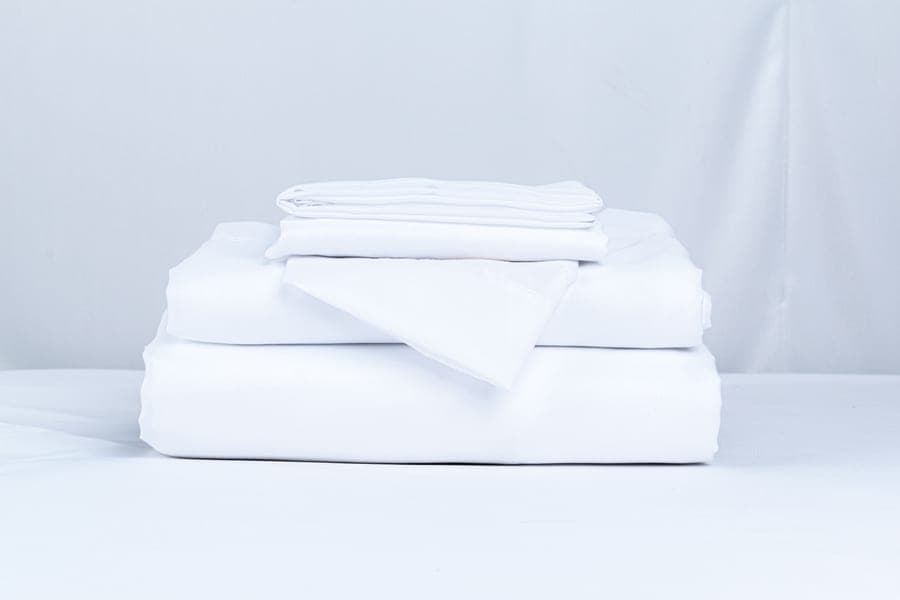
Mellanni 100% Cotton Percale Sheet Set
Mellanni
Percale cotton, 300 thread count, deep pockets — the sheet to buy if your child sleeps hot.
| Guardrail height above mattress | Not applicable |
|---|---|
| Stated weight limit (per bunk) | Not applicable |
| Manufacturer minimum age | Not published by the manufacturer |
| Mattress thickness ceiling | Deep pocket; confirm against your mattress depth |
| Materials / construction | 100% cotton, 300 thread count percale weave |
What works
- Percale weave breathes far better than microfiber
- Real cotton rather than a polyester blend
- Deep pockets stay on through a restless night
- Gets softer with washing instead of pilling
What doesn’t
- Percale wrinkles; it comes out of the dryer looking lived-in
- Crisper than microfiber, which some children dislike at first
- Costs more than a microfiber set
The catch: Deep pockets are a problem on a bunk, not a feature. Bunk mattresses are thin, so a deep-pocket fitted sheet has a lot of slack to gather — check the pocket depth against your actual mattress before ordering.
Younger children, and anyone mid-potty-training
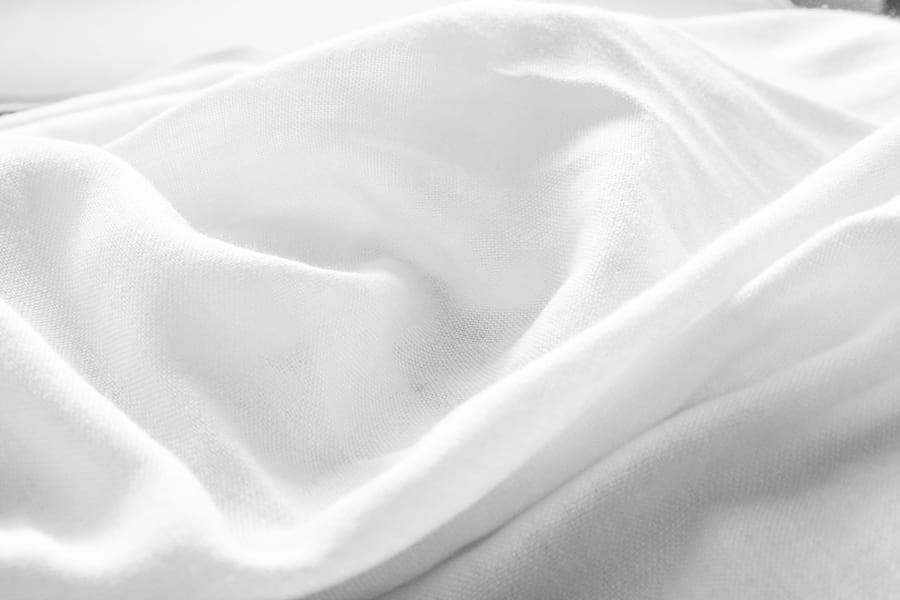
Joiedomi Kids Twin Sheet Set
Joiedomi
Soft microfiber in the patterns children actually ask for, cheap enough to own three sets.
| Guardrail height above mattress | Not applicable |
|---|---|
| Stated weight limit (per bunk) | Not applicable |
| Manufacturer minimum age | Not published by the manufacturer |
| Mattress thickness ceiling | Deep pocket fitted sheet |
| Materials / construction | Brushed microfiber, three-piece set |
What works
- Cheap enough that a 3 a.m. change is not a crisis
- Microfiber dries fast, which matters when you need the set back tonight
- Soft from the first wash with no break-in period
- Patterns children will choose themselves
What doesn’t
- Microfiber sleeps hotter than cotton
- Pills after enough wash cycles
- Polyester, which some parents avoid on principle
The catch: Microfiber traps heat. On a top bunk — where the warm air in the room already collects — a hot sleeper in microfiber sheets will be awake, and cotton is the fix.
A standard bed at floor level
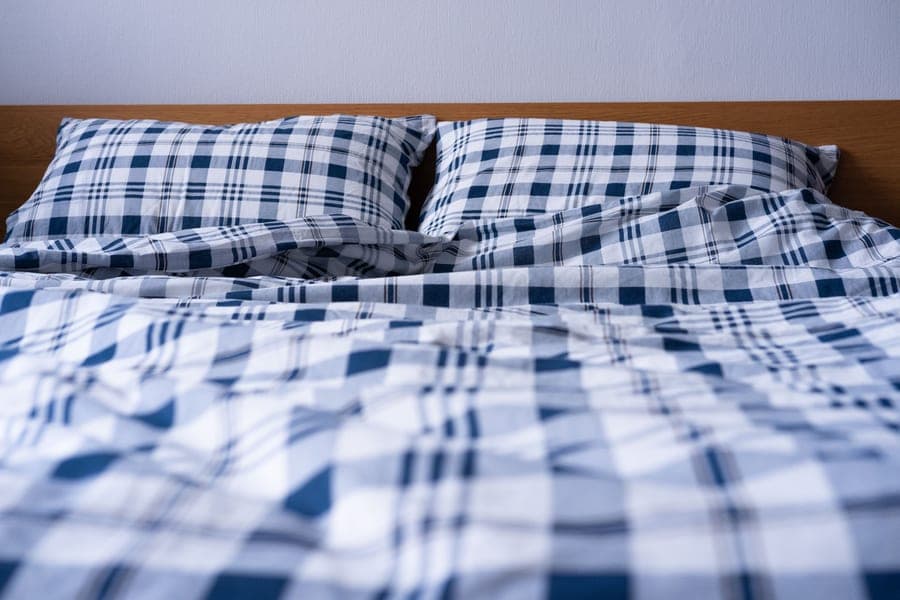
Kids Twin Comforter Set with Sham
Various (search by size and fill)
The conventional answer: a comforter and sham that go in a home washing machine and come back the same shape.
| Guardrail height above mattress | Not applicable |
|---|---|
| Stated weight limit (per bunk) | Not applicable |
| Manufacturer minimum age | Not published by the manufacturer |
| Mattress thickness ceiling | Not applicable |
| Materials / construction | Polyester fill with a washable shell; check fill weight |
What works
- Cheapest route to a finished-looking bed
- Machine washable at home, unlike most duvets with inserts
- One layer to make, which a child can manage on a normal bed
- Enormous pattern choice
What doesn’t
- Comforters slide off a top bunk and land on the floor
- Fill weight is rarely published, so warmth is a lottery
- Polyester fill flattens within a couple of years
The catch: A loose comforter is the wrong bedding for a raised bed. It slides, it hangs over the guardrail, and it ends up on the floor by 2 a.m. — which is the entire argument for zip-together bedding on a bunk.
Questions parents actually ask
What size sheets does a toddler bed take?
Toddler sheets, sized for a 52 by 28 inch crib mattress. Twin sheets are far too long.
What size bedding do bunk beds take?
Twin on both decks in most configurations; a full on the bottom of a twin-over-full. Buy standard, not deep, pocket depth.
What is pocket depth on a fitted sheet?
How deep a mattress the sheet is cut to wrap around. Too deep and it gathers; too shallow and it will not fit.
Can you use twin sheets on a twin XL?
No — a twin XL is five inches longer. The fitted sheet will not stay on.
How many sheets should a child's bed have?
Three fitted sheets per bed is the number worth aiming for at toddler and primary-school age.
Does a mattress protector affect sheet size?
A thick one does — measure the total depth including the protector and any topper.
Sources
Read next
- Bunk bed sizes and dimensions
The bed dimensions these sheets go on.
- Bedding for a top bunk
Where pocket depth matters most.
- Best kids bedding sets
What to buy once you know the size.
Back to Kids Bedding.